
June 24, 2026

Introduction
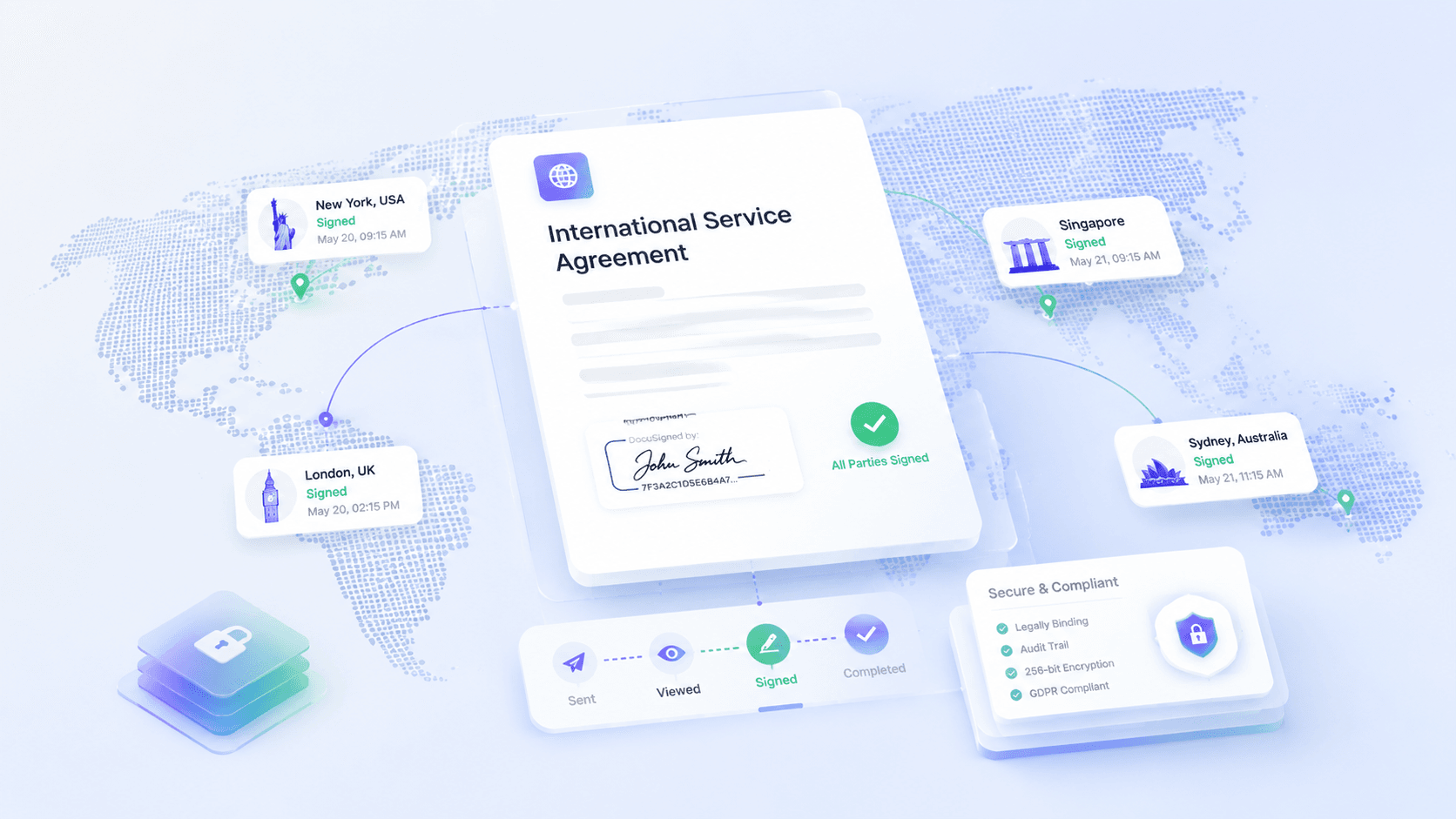
eIDAS is the European Union framework that gives legal structure to electronic identification, trust services, and electronic signatures. For teams comparing DocuSign, Adobe Acrobat Sign, Dropbox Sign, and Nota Sign, the important question is not whether a tool can place a signature on a file. The question is which signature level, certificate evidence, validation path, audit record, and regional workflow the transaction needs.
This guide explains eIDAS in practical buyer language and shows what to check before using any eSignature provider for European or cross border agreements.
The Short Answer on eIDAS
eIDAS recognizes different electronic signature levels, commonly discussed as simple, advanced, and qualified electronic signatures. A qualified electronic signature has the strongest legal effect under eIDAS when created with a qualified certificate and qualified signature creation device through a qualified trust service setup. Many business workflows do not require that level, but buyers must know the required level before choosing a platform.
The official EUR-Lex eIDAS text and the official text of Regulation (EU) No 910/2014 are primary references. The 2024 European Digital Identity amendment is also relevant for teams tracking eIDAS 2.0 and digital identity wallet developments.
Signature Levels Buyers Should Understand
A practical eIDAS review starts by matching the document to the signature level. The wrong match creates risk: too little evidence for high value contracts, or too much cost and friction for routine approvals.
The level should be chosen by document type, jurisdiction, counterparty expectations, and enforcement risk. It should not be chosen only by what a vendor plan happens to include.
How to Compare Providers for eIDAS Workflows
Provider comparison matters because eIDAS is not a checkbox inside an eSignature product. The buyer has to connect the document type, signature level, signer identity route, trust service relationship, certificate handling, timestamping, validation, audit record, retention period, and regional access. A low friction signing flow can still be the wrong choice if the agreement needs advanced or qualified signature evidence.
The price question also changes under eIDAS. Buyers should not compare only the base subscription. The real cost may include identity verification, advanced or qualified signature transactions, certificates, trust service fees, API access, implementation support, archive and validation requirements, and operational rework if the wrong signature level is selected.
DocuSign when EU signature levels need central governance
DocuSign is often the default benchmark for global companies with EU contracting needs. It can be a strong fit when legal, IT, procurement, and security already manage a broader signing program. The advantage is ecosystem depth: administrator controls, templates, signer authentication options, APIs, audit exports, and partner routes for higher assurance signing can support complex European agreement work.
The risk is assuming the brand answers the eIDAS question. Buyers still need to confirm the exact signature level, country coverage, identity method, certificate route, qualified trust service relationship, validation evidence, and retention model. Cost should be modeled by transaction type, not just by seat: an ordinary approval, an advanced electronic signature, and a qualified electronic signature can carry very different operational and commercial assumptions.
Adobe Acrobat Sign when PDF evidence is the operating model
Adobe Acrobat Sign is attractive when European documents already move through Adobe and PDF preparation. It can fit teams that care about PDF integrity, certificate visibility, document review, and familiar signing inside an Adobe centered process.
The limitation is that eIDAS readiness is broader than the PDF file. Buyers should check signer identity, certificate chain, long term validation, timestamp evidence, final record storage, API handoff, and whether legal reviewers can understand the evidence later. Pricing should be reviewed as an Adobe ecosystem decision, including plan dependencies, identity and certificate requirements, implementation work, and regional access risk. For mainland China related workflows, access and use case support should be treated as a blocker until the exact sender, signer, viewer, administrator, and integration path is verified.
Dropbox Sign when eIDAS risk stays low
Dropbox Sign is useful when the document does not require a demanding eIDAS evidence model. It can work for simple approvals, low volume commercial documents, internal acknowledgements, and teams that value ease of use over complex assurance.
The boundary is clear: if the agreement requires advanced evidence, qualified signatures, trust service coordination, long term validation, deeper compliance review, complex routing, or mainland China signer reliability, Dropbox Sign should not be treated as the default answer. Its cost profile can be attractive for routine signatures, but buyers need to check what is included for templates, audit history, signer authentication, API use, support, and any evidence required by European counterparties.
Where Nota Sign Fits in eIDAS-Aware APAC Review
Nota Sign should be evaluated when the buyer is not only asking "does this support eIDAS?" but also "how do we run cross border signing across APAC, Europe, and operations involving the US without losing evidence or regional reliability?" Its value is strongest when the team needs to classify documents by signature level, preserve signer identity evidence, keep audit records with the signed file, manage retention, and migrate from scattered signing tools into a governed agreement workflow.
The soft sell point is practical: Nota Sign helps the buyer start from the workflow and evidence model, not from a vendor logo. For eIDAS related agreements, that means separating documents that can use simple signatures from documents that need stronger evidence, planning signer identity routes, checking APAC access, and deciding where implementation support is worth more than a lower entry price.
Long Term Validation and Record Retention
For higher risk agreements, the signed document is only one part of the record. Buyers should ask how the system preserves certificate information, audit events, timestamps, final document integrity, and reviewer access over time.
This matters because a contract may be challenged long after signing. A team should be able to review what was signed, by whom, through which identity process, under which signature level, and whether the record remains verifiable.
For teams still clarifying terms, Nota Sign's guide to digital signature vs electronic signature explains the difference between a visible electronic signature and cryptographic evidence. Nota Sign pricing can support procurement after the signature level requirement is clear.
Conclusion
For eIDAS, the right signing platform depends on the required evidence level. DocuSign can work for centrally governed global programs. Adobe Acrobat Sign can work when PDF evidence is the operating model. Dropbox Sign fits only when the document risk stays low. Nota Sign is the stronger evaluation path when APAC teams must manage European counterparties, signer identity evidence, audit records, retention, and regional access in one agreement workflow.
If your team signs across APAC, the US, and Europe, contact Nota Sign with your document categories, signer locations, required signature levels, audit needs, retention expectations, integrations, and migration constraints.