


June 27, 2026


Key Takeaway
Security Over Convenience: Don't let a "pretty UI" distract you. If your platform doesn't support "Qualified Electronic Signature (QES) providers", your high-value contracts are legally vulnerable during an audit or dispute.
The New Identity Standard: Email verification is no longer enough. For cross-border deals, direct integration with National Digital Identities—like Singpass and iAM Smart—is the absolute new baseline for enterprise KYC.
Top Platforms Compared: Your choice depends on your IT stack. DocuSign is the powerhouse for heavy CLM, while Adobe Acrobat Sign is the natural fit for Microsoft 365 environments.
Strategic Choice: For APAC compliance, Nota Sign is the clear winner, offering built-in government ID verification and superior API agility.
The Enterprise Reality: The Hidden Limitations of Basic E-Signature Tools at Scale
The Problem with "Basic": Cheap tools prioritize speed over forensic security. If a supplier disputes a contract, standard IP logs and email tracking fail under audit. They offer zero cryptographic proof of the signer's actual identity—making them legally useless in highly regulated sectors.
The Security Gap: Scaling with email verification creates a massive opening for fraud across thousands of global contracts. You are betting your company's legal safety on the hope that the "clicker" is the actual signer.
The Enterprise Requirement: Global operations must abandon consumer-grade paperwork. Scaling digital trust demands strict "eIDAS compliant software" engineered specifically for bulletproof identity assurance.
You are no longer just capturing a drawn squiggle on a screen; you need verifiable, cryptographic proof linking a document directly to a verified human. For the enterprise, this is the only way to balance administrative speed with a rigorous legal defense.
DocuSign CLM: The US Market Standard
DocuSign is the US market standard for a reason. Its dominance isn't just about brand name—it is about the depth of its features.
Core Strength: CLM & Integration
Deep "Contract Lifecycle Management": DocuSign’s primary strength is its ability to handle the full life of a document, managing drafting, redlining, signing, and final storage.
Native "Salesforce Electronic Signature Integration": For enterprises that run on Salesforce, DocuSign offers the deepest integration on the market, allowing teams to close deals without leaving their CRM dashboard.
The Enterprise Trade-off: High Costs & Rigid Terms
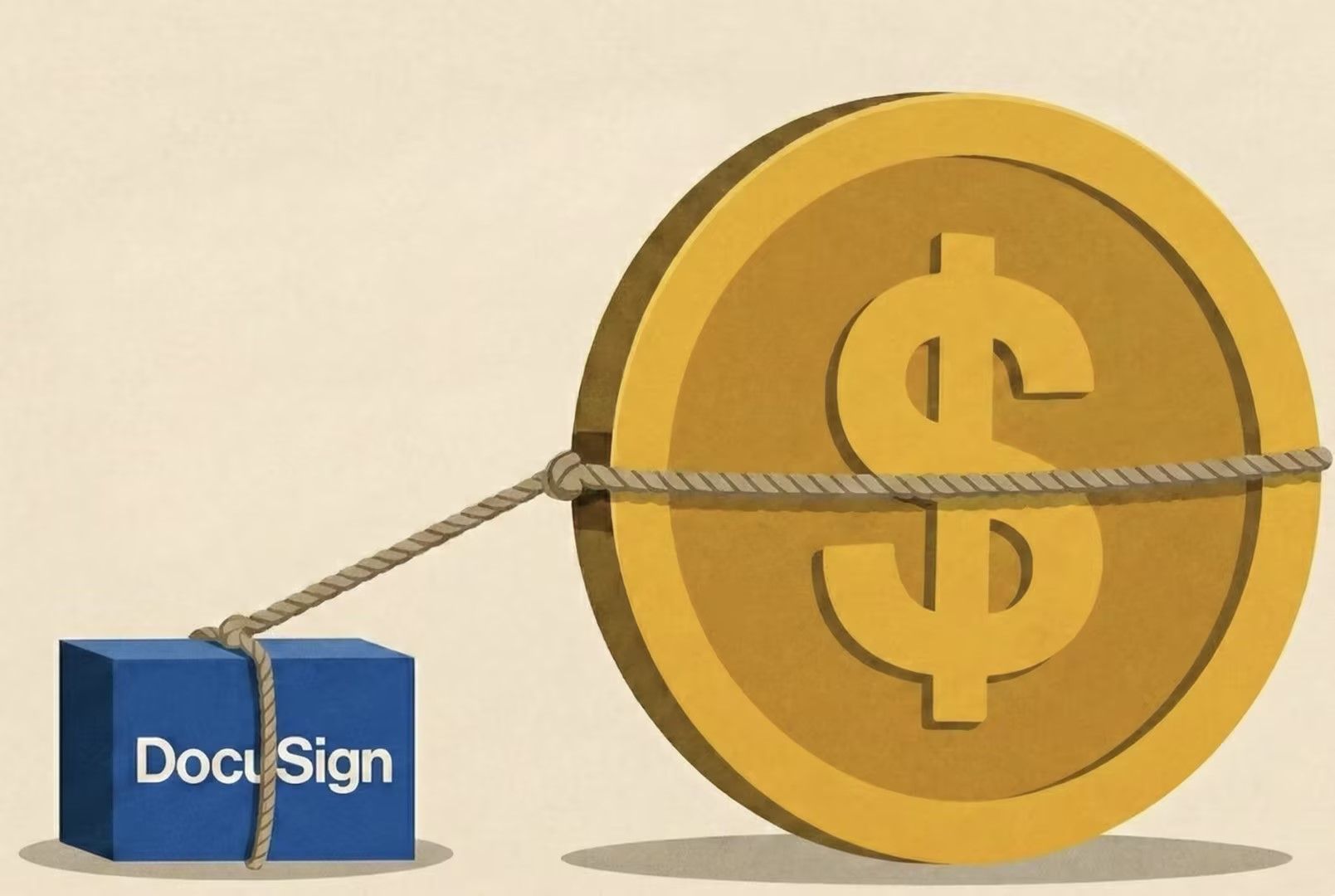
High Total Cost of Ownership: This capability comes at a steep price, often requiring upgrades to the highest tier for essential security features like SSO.
Complex Contracts & Support: Getting a custom "enterprise SLA" is a struggle, and the heavy "one-size-fits-all" structure can slow down agile cross-border teams.
Best For:
Large, US-based corporations that require a massive, all-in-one ecosystem and have the budget to support it.
Adobe Acrobat Sign: The Document Ecosystem Leader
Adobe invented the PDF, making Acrobat Sign the engine behind the document format itself.
Core Strength: Seamless Microsoft Integration
Native "Microsoft 365" Embedding: You can sign documents directly inside Microsoft Teams, Word, or Outlook without opening a browser.
Perfect PDF Accuracy: Adobe guarantees absolute formatting fidelity, which is essential for legal teams.
The Enterprise Trade-off: Slower Innovation
Slower User Experience: The user interface can feel slow and clunky compared to modern, cloud-native apps.
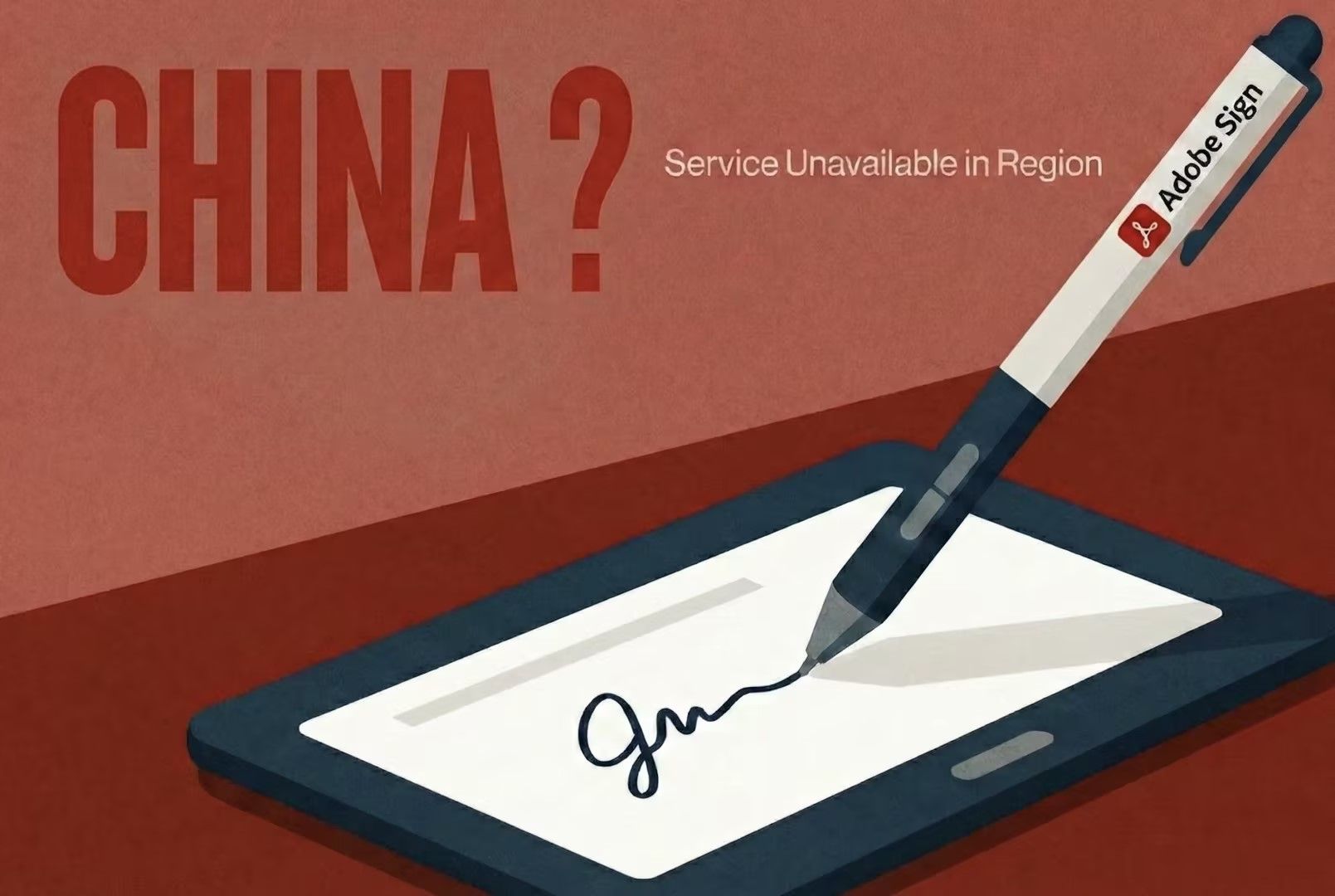
Reliance on Third-Party Verification: Adobe often relies on external partners to handle advanced identity verification, which increases complexity and cost.
Best For: Organizations that already operate entirely within the Microsoft environment.
Nota Sign: The APAC Compliance & Identity Specialist
Nota Sign has built the definitive infrastructure for the APAC market, proving who actually signed the document.
Core Strength: Government-Backed Identity Integration
Singapore: Singpass Integration: Offers native integration with Singpass, allowing facial recognition or fingerprint authentication before signing.
Hong Kong: iAM Smart Integration: Directly integrates with iAM Smart, generating signatures with the same legal status as wet-ink signatures.
The Enterprise Edge: Built-in Compliance
Seamless KYC Workflows: Blends strict KYC compliance directly into the signing workflow for a verified identity audit trail.
White Label E-signature Solutions: Offers flexible white-labeling so the experience feels like your own proprietary software.
Cost-Effective Scalability: Provides robust "bulk send" tools that are more cost-effective than envelope-based pricing.
Life Sciences Ready: Meets strict "21 CFR Part 11" standards, ensuring data integrity for FDA-regulated documents.
Explore the Help Center for detailed product guides.
Best For: Enterprises managing cross-border agreements in the Asia-Pacific region that require absolute legal certainty.
Key Feature Comparison: Identity, API, and Global Compliance
1. Identity Verification
Basic vs. Verified: US compliance often relies on email tracking, but Asia and Europe require more proof.
The Government ID Advantage: Unlike email or SMS which can be faked, Nota Sign connects directly to Singpass and iAM Smart for the highest level of trust.
2. API & Automation
- Modern Speed: While older platforms have complicated setup guides, a modern "enterprise e-signature API" is built to be fast. You can build custom workflows in days, not months.
3. Global Compliance Strategy
- International Rules: The EU and APAC have stricter rules for data storage and identity checks than the US. Cross-border enterprises must choose platforms that meet these tougher standards.
Final Verdict: Which Platform Fits Your Enterprise?
| Feature | DocuSign CLM | Adobe Acrobat Sign | Nota Sign 🏆 |
|---|---|---|---|
| Government ID Checks | Paid Add-on Requires extra "Identity" packages | External Partners Must use third-party services | Built-in & Free Direct integration included standard |
| API Setup | Complex & Heavy Old structure; hard to maintain | Rigid Hard to customize data flows | Modern & Fast Lightweight; launch in days |
| Works Best With | Salesforce Best for heavy CRM users | Microsoft 365 Best for Teams/Outlook users | Flexible Connects to any local system |
| Primary Use | US Contract Management Managing long lifecycles | Internal Doc Signing HR forms & approvals | Asia Cross-Border High-security compliance |
Legacy systems often force you to choose between safety and speed; Nota Sign gives you both.
No Hidden Costs: Nota Sign includes Native Singpass & iAM Smart integration as a standard feature without extra fees.
Built for Speed: Its API is modern and lightweight, allowing your team to build legally binding flows in days.
Nota Sign is the smartest way to secure your cross-border future.



