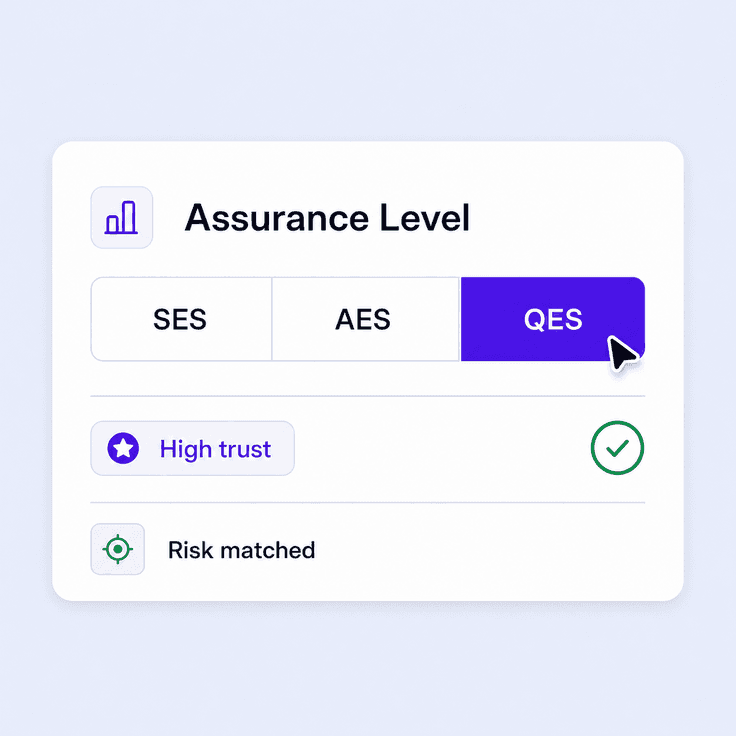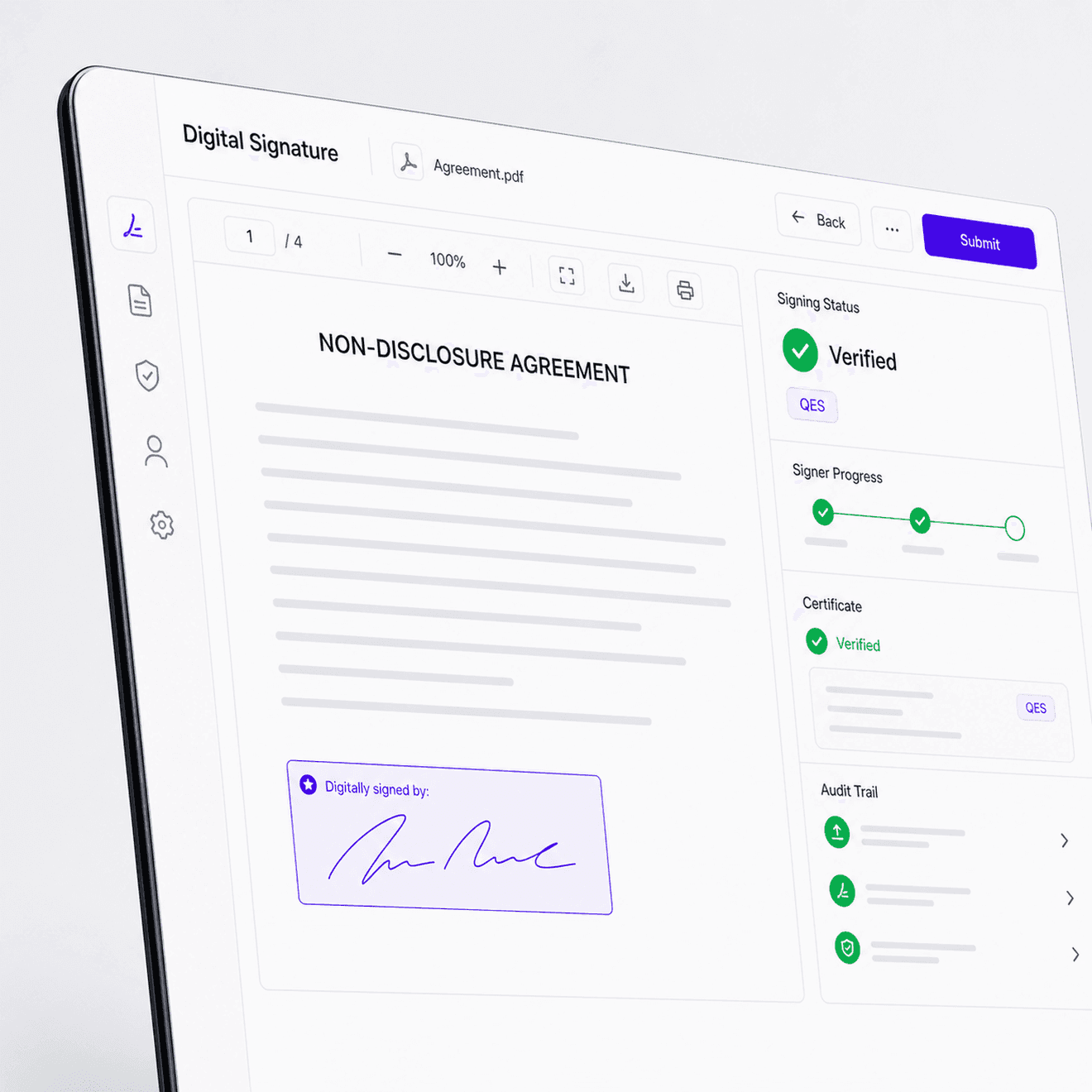
A digital signature is a certificate-backed form of electronic signature that uses cryptographic keys to link a signer to a document and detect later changes. Under eIDAS, digital-signature workflows can support stronger assurance levels such as advanced electronic signatures (AES) and qualified electronic signatures (QES), depending on identity proofing, certificates, and trust-service setup.

Why use digital signatures for critical agreements
Add stronger identity, integrity, and evidence without slowing trusted signers.

Choose the right assurance level
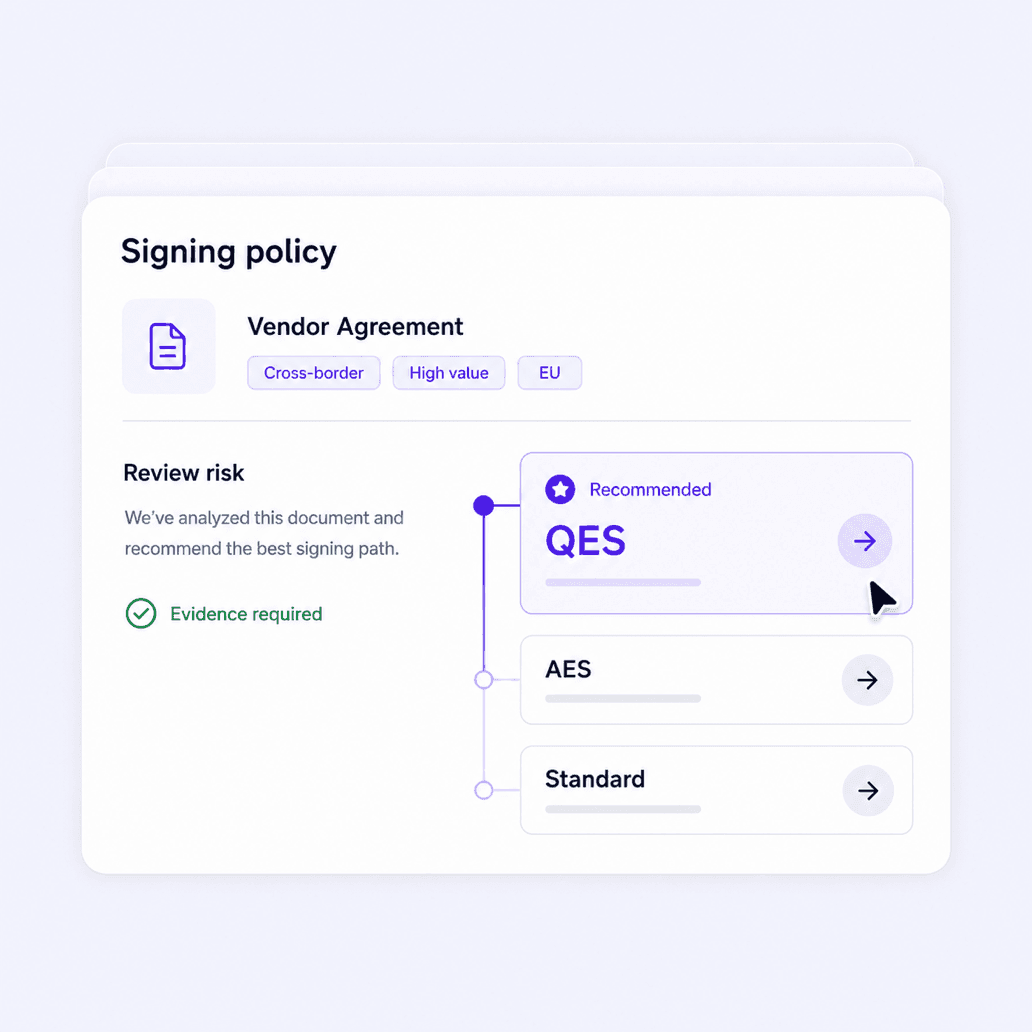
Use standard e-signing for everyday approvals, AES workflows when stronger signer identification and integrity evidence are needed, and QES paths for the highest-assurance EU transactions under eIDAS.

Verify the signer before signing
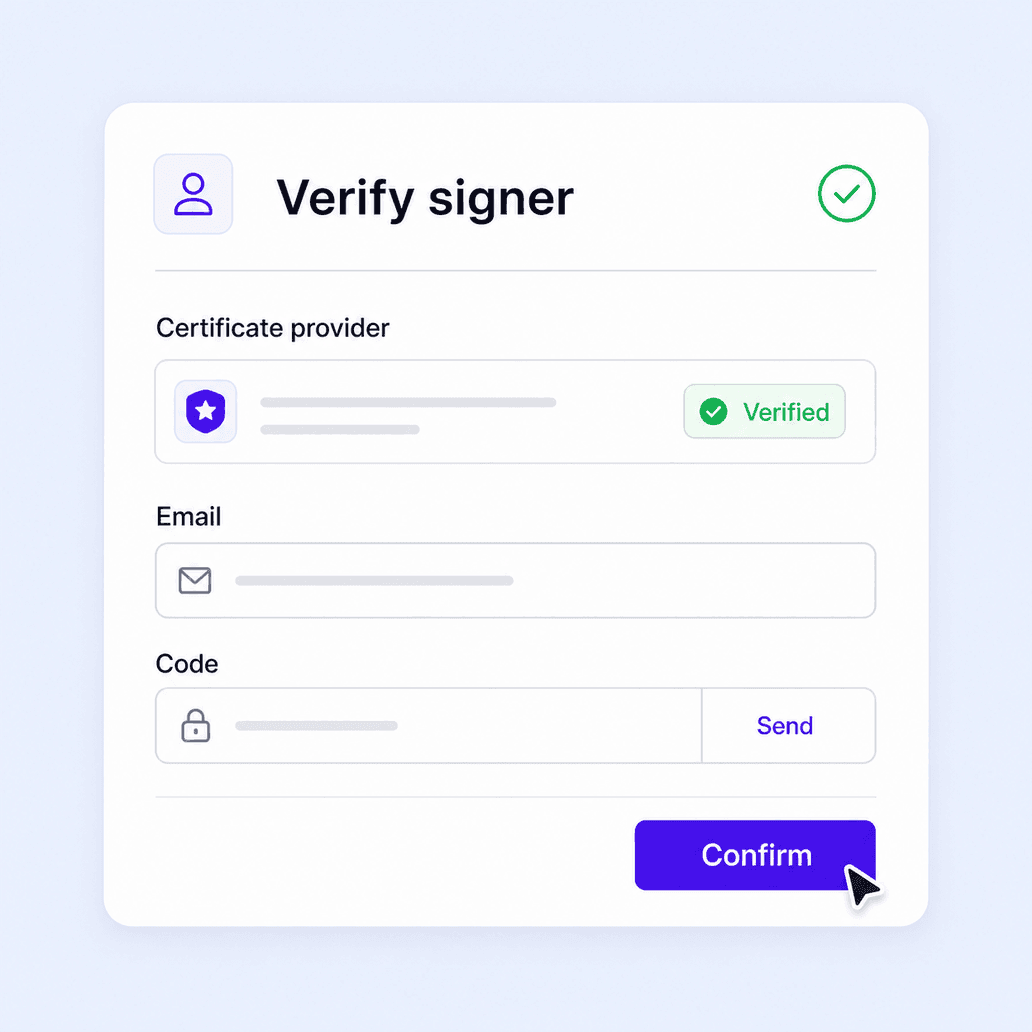
Add identity checks through Nota Sign Identify, including OTP, access codes, ID verification, or regional digital IDs where available. Stronger identity evidence helps reduce fraud and supports non-repudiation.

Apply a CA-issued certificate-backed signature
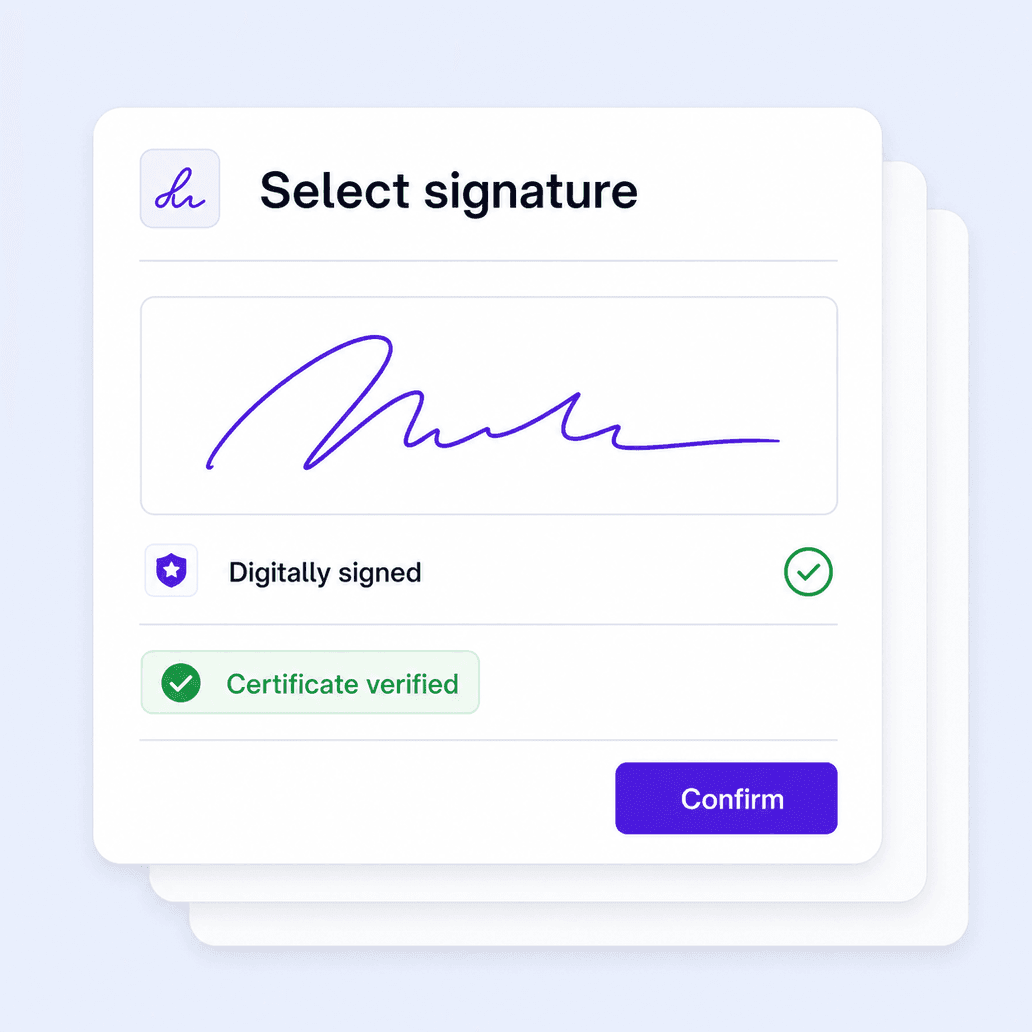
Use CA-issued certificates and cryptographic signing data to connect the signer, certificate, and document. The signed file can then be validated for authenticity, certificate trust, and later tampering.

Preserve audit-ready evidence
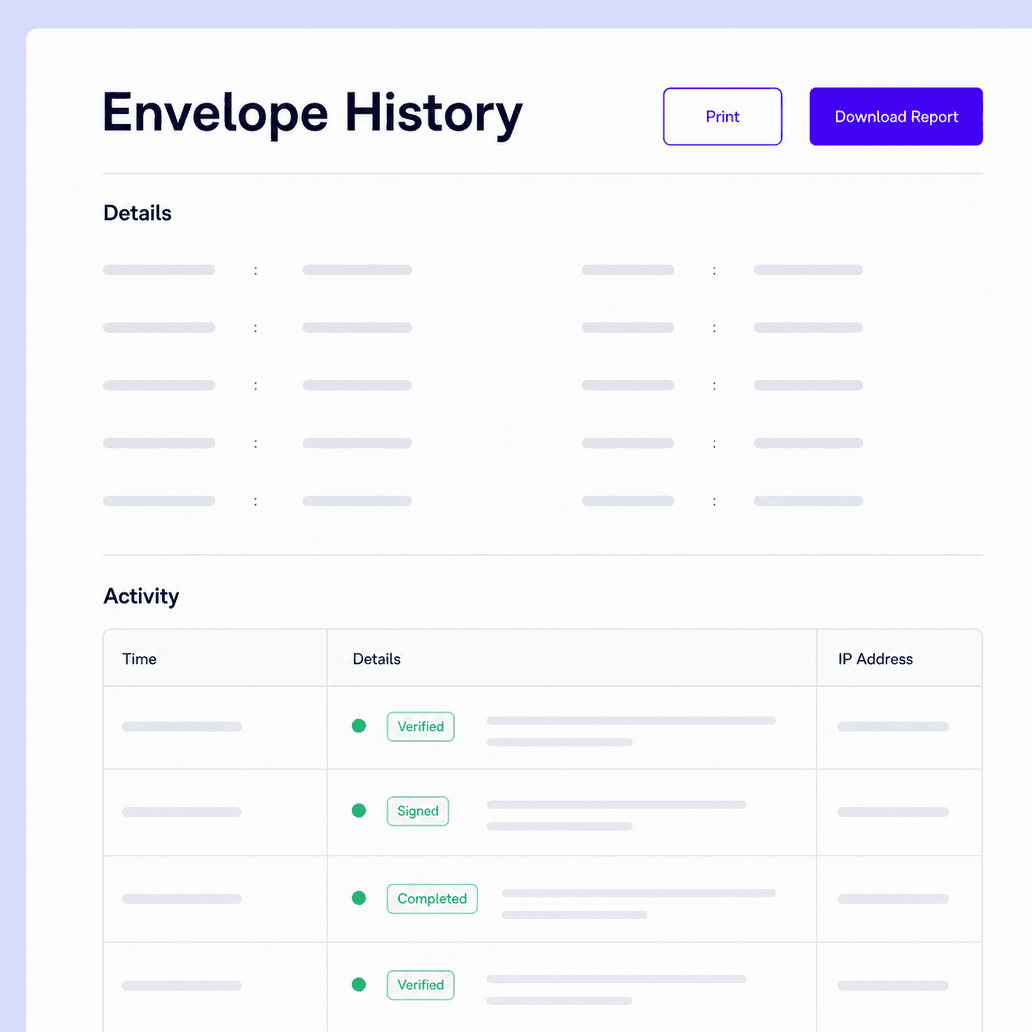
Keep signing events, identity checks, timestamps, IP data, certificate evidence, and document status changes in a complete audit trail so legal, compliance, and IT teams can review what happened.

Built for global signing operations
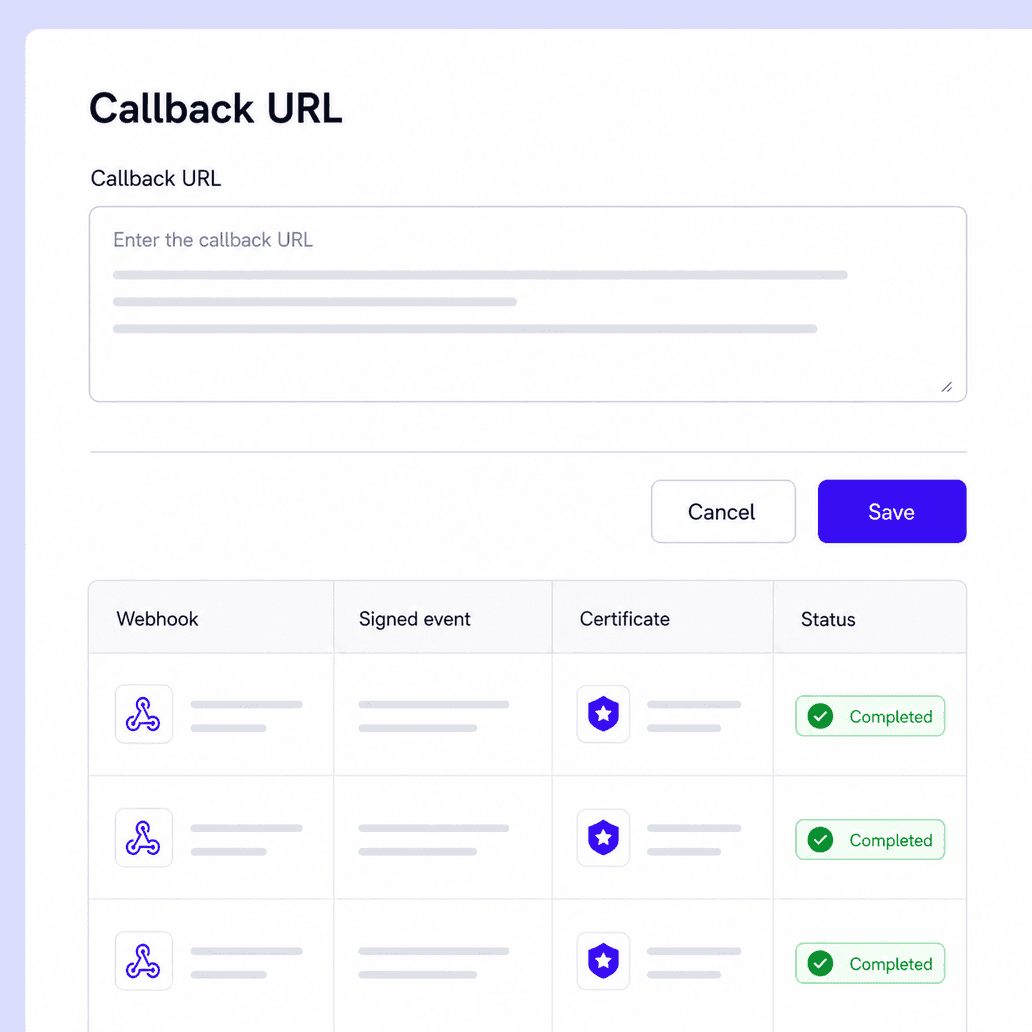
Use digital-signature workflows alongside templates, routing, identity checks, integrations, and APIs. Teams can standardize stronger signing paths for regulated agreements while keeping everyday documents fast and familiar.
Digital Signature FAQs
Answers about certificate-backed signing, AES, QES, eIDAS, and audit evidence.
Sign critical agreements with stronger evidence